Emergency Fund: How Much You Need & Where to Keep It
John Boston
What Is an Emergency Fund?
An emergency fund is money set aside for unexpected costs you cannot plan for — a car repair, a medical bill, a broken appliance, or a sudden loss of income. It is not a holiday fund, a shopping fund, or an investment account.
Its job is simple: to stop a bad week from becoming expensive debt. When an emergency happens, you use savings first, instead of reaching for a high-interest credit card or a buy-now-pay-later plan.
How Much Do You Really Need?
There is no single number that fits everyone, but a clear target helps:
- Starter goal: $1,000. If you have no savings at all, this is a realistic first milestone. It covers many common emergencies and gives you a habit to build on.
- Full goal: 3 to 6 months of essential expenses. Essential expenses are rent or mortgage, utilities, groceries, transport to work, insurance, and minimum debt payments. They are not subscriptions, eating out, or discretionary shopping.
- If your income is irregular: freelancers, gig workers, and single-income households often aim closer to 6 to 12 months, because income can stop more suddenly.
Example: if your essential monthly expenses are $2,000, a 3-month fund is $6,000 and a 6-month fund is $12,000. You do not need to save that all at once. The point is to know your target, then work toward it in small, regular steps.
How to Calculate Your Number
- Add up one month of essential expenses only.
- Multiply that number by 3, then by 6. That range is your full-fund target.
- Choose a starter target first — $1,000, or one month of essentials, whichever feels achievable.
- Review the number once a year, or when your rent, income, or household changes.
Do not count money you cannot access quickly, or money already earmarked for rent, bills, or debt payments, as part of your emergency fund.
Where to Keep It
An emergency fund needs two things: it must be easy to reach in a hurry, and it must be separate from your everyday spending money.
Good options, in general, are:
- A separate high-yield savings account. It keeps the money apart from daily spending, it is usually accessible within a day or two, and it earns some interest. Rates change over time, so check the current rate and any withdrawal limits before you choose an account.
- A separate savings account at your existing bank. This is simpler, and transfers are often instant, but it is easier to dip into if it sits next to your spending account.
Places that are usually a poor fit for emergency money are:
- Stocks, crypto, or other volatile investments. Their value can fall exactly when you need the money, and selling may take time or trigger a loss.
- Cash at home. It earns nothing, it is not protected in the same way as a bank account, and it is easy to lose track of.
- A credit card limit. A credit limit is borrowed money, not savings, and it comes with interest if you cannot repay it quickly.
The best account is the one you will actually leave alone until a real emergency happens.
How to Build It, Step by Step
- Open a separate account and give it a clear name, like “Emergency Fund.”
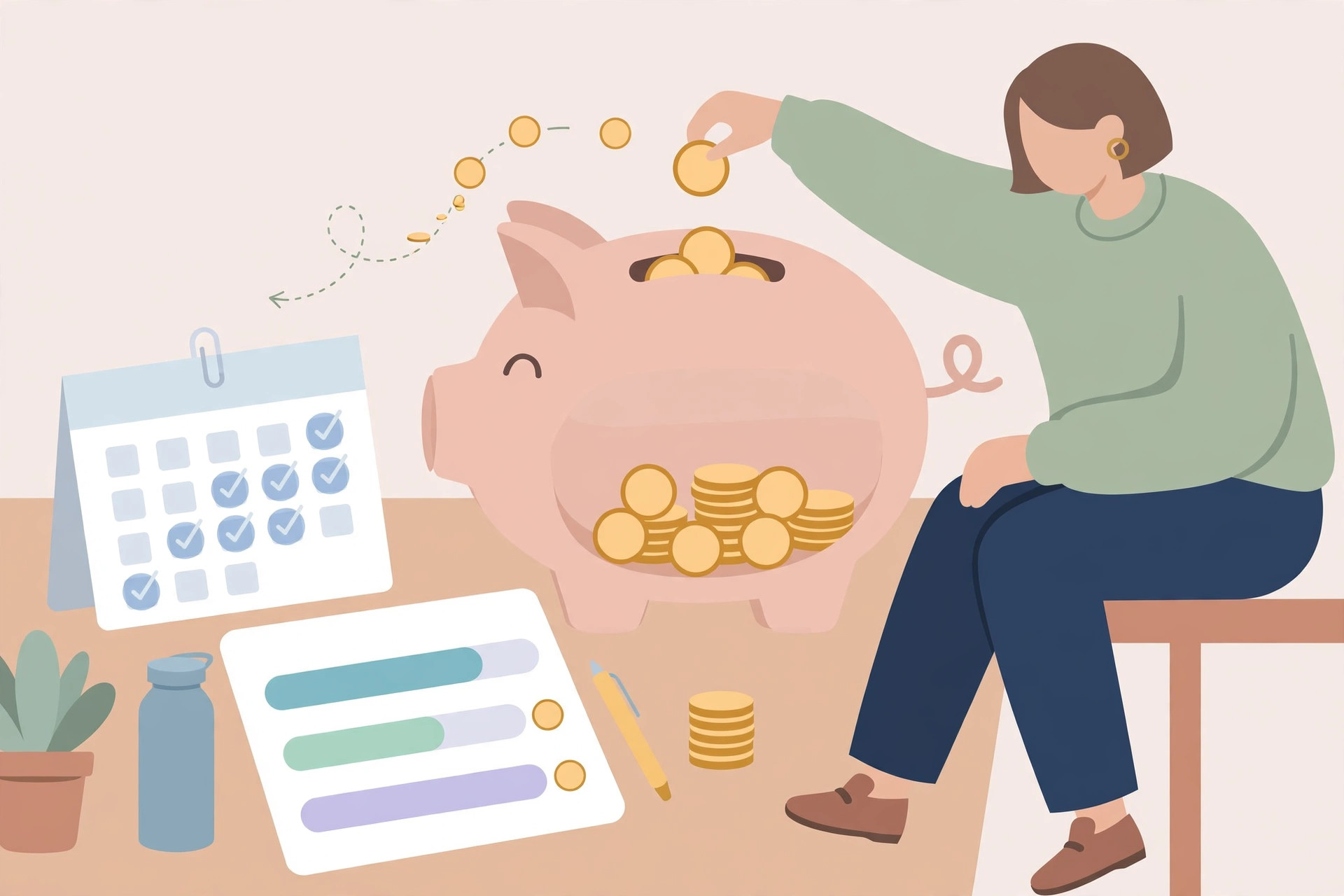
- Start with an automatic transfer on payday, even if it is small. A regular $25, $50, or $100 transfer builds faster than waiting for a large lump sum.
- Use windfalls first. Tax refunds, bonuses, or money from selling something you no longer need can jump-start the fund.
- Cut one recurring cost temporarily and redirect that amount to the fund until you hit your starter goal.
- Keep the fund topped up. After you use it, rebuild it before you start other savings goals again.
If you are also paying off high-interest debt, a common approach is to save a starter fund first, then focus on the debt, then return to build the full fund. That balance is personal — the key is not to be left with zero savings while you pay debt down.
What Counts as a Real Emergency?
Use the fund for:
- Urgent car, home, or appliance repairs you cannot safely delay
- Unexpected medical or dental costs
- Essential travel for a family emergency
- Covering essential bills after a sudden job loss or income drop
Do not use it for:
- Sales, holidays, gifts, or upgrades you want but do not need
- A new phone, new clothes, or a car you want to replace early
- Investing, because an opportunity “looks good”
If you are unsure, wait 24 hours and ask: “Would this cause real harm if I delayed it by a month?” If the answer is no, it is probably not an emergency.

Common Mistakes to Avoid
- Keeping it in your spending account. It disappears into everyday spending.
- Investing it for higher returns. Emergency money is for safety, not growth.
- Setting a target that is too big to start. A $12,000 target can feel impossible. A $1,000 starter target gets you moving.
- Stopping after one emergency. Rebuilding is part of the plan, not a failure.
- Borrowing from it for non-emergencies. Every withdrawal for a non-emergency makes the next real emergency harder.
A Simple Checklist
- I know my monthly essential expenses
- I have a starter target, and a full 3–6 month target
- My emergency money is in a separate, accessible savings account
- I have an automatic transfer set up
- I know what I will — and will not — use it for
The Bottom Line
An emergency fund does not need to be large to be useful. A small, separate, accessible fund, built with regular transfers, is far better than no fund at all. Start with $1,000 or one month of essentials, then build toward 3 to 6 months over time.
Related: Sinking Funds: How to Save for Irregular Expenses Without Touching Your Emergency Fund in 2026
Related: Budgeting Guides
Disclaimer: This article is for general education only and is not financial, legal, or tax advice. Savings account rates, fees, and withdrawal rules vary by bank and change over time — check the current terms before opening an account. If you need advice for your specific situation, speak to a qualified financial professional.
Related guides
- How to Do a No-Spend Week in 2026: A Simple 7-Day Reset That Actually Feels Doable
How to do a no-spend week: set your own rules, stock the kitchen, plan free activities, and use seven days to notice where your money usually slips away.
- How to Save for Moving Costs in 2026: A Simple Plan That Actually Works
How to save for moving costs and a security deposit: list every cost, get real quotes, add a buffer, and save a fixed amount each payday so the big bills do not land all at once.
- How to Negotiate a Lower Bill in 2026: A Calm, Step-by-Step Guide
How to negotiate a lower bill for internet, phone, and insurance: prepare in five minutes, use a calm script, ask the right questions, and check the small print before you agree.
Browse more step-by-step guides in the Budgeting hub.