Let us be honest: most budgets fail not because people are bad with money, but because real life does not fit neatly into a spreadsheet. A bill lands in the wrong month, the car needs new tires, and suddenly the whole plan feels broken.
A good budget is not about cutting out everything you enjoy. It is about knowing where your money is going, so the predictable stuff stops feeling like a surprise, and the real surprises do not wipe you out. Start with the basics, build a small cushion first, then give the big, predictable bills their own little pots. That is the whole idea behind the guides below: no jargon, no guilt trips, just practical steps you can use this month.
A budget is just a plan for your money before the month starts, not a report card afterwards. Write down what comes in, what has to go out, and what you want to set aside, then check in once a week, not once a year. If a plan feels too strict to live with, it is the plan that needs fixing, not you.
An emergency fund is money set aside for the things you truly cannot plan for: a job loss, a car you need for work breaking down, an urgent repair. It is not for holidays or sale season. Our guide to building an emergency fund walks through how much to aim for, how to work out your number, and where to keep it so it is there when you need it, but not so easy to dip into that it disappears on an ordinary Tuesday. Read the emergency fund guide.
Sinking funds are the opposite: money for the things you know are coming, just not every month, like car insurance, gifts, annual subscriptions, and new tires. Our guide to sinking funds shows how to split those yearly costs into small monthly amounts, so December does not feel like a financial ambush. Read the sinking funds guide.

Personal Finance
November 4, 2026 • Luci Shut
How to do a no-spend week: set your own rules, stock the kitchen, plan free activities, and use seven days to notice where your money usually slips away.
Read Story
Personal Finance
November 3, 2026 • John Boston
How to save for moving costs and a security deposit: list every cost, get real quotes, add a buffer, and save a fixed amount each payday so the big bills do not land all at once.
Read Story
Personal Finance
November 2, 2026 • Luci Shut
How to negotiate a lower bill for internet, phone, and insurance: prepare in five minutes, use a calm script, ask the right questions, and check the small print before you agree.
Read Story
Personal Finance
November 1, 2026 • John Boston
How to split shared expenses fairly with roommates or a partner: list shared costs, choose an equal, room-size, income or usage split, write it down, and settle up once a month.
Read Story
Personal Finance
October 31, 2026 • Luci Shut
How to set a holiday gift budget you can actually stick to: pick one affordable total, list everyone, add a buffer for wrapping and postage, and shop from the list — not the mood.
Read Story
Personal Finance
October 30, 2026 • John Boston
A calm, step-by-step subscription audit: find every recurring charge, sort each one into keep, pause, or cancel, and stop paying for services you forgot you had.
Read Story
Personal Finance
October 29, 2026 • Luci Shut
A simple monthly money reset checklist: review last month's spending, put every bill on one calendar, audit subscriptions, and make a short plan for next month — in about 30 minutes.
Read Story
Personal Finance
October 28, 2026 • John Boston
Learn how to read a pay stub in plain language: gross pay, deductions, take-home pay, pay period, overtime, and YTD, with a simple worked example and a payday checklist.
Read Story
Personal Finance
October 27, 2026 • Luci Shut
Learn how to budget your first paycheck: split it between needs, savings, and fun, avoid the first-paycheck traps, and set up a simple plan you can actually stick to.
Read Story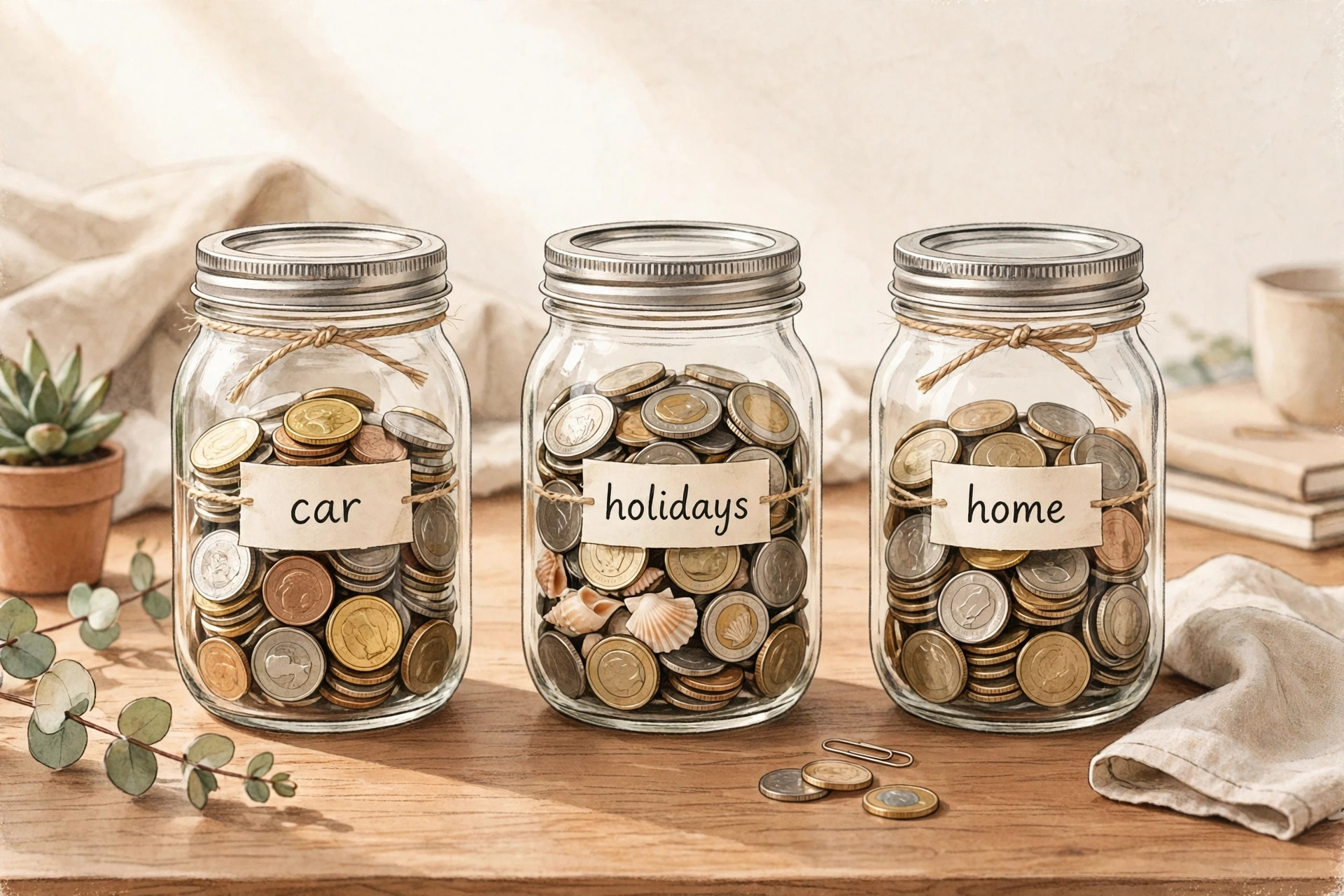
Personal Finance
October 25, 2026 • Luci Shut
What is a sinking fund, how to start a sinking fund, and how to calculate your monthly amount. A practical 2026 guide to budgeting for irregular expenses like car repairs, holidays, insurance, and annual bills — without raiding your emergency fund.
Read Story
Personal Finance
October 24, 2026 • John Boston
How to build an emergency fund in 2026: how much to save, how to calculate your number, where to keep it, and what counts as a real emergency. Practical, step-by-step guidance for beginners.
Read Story
Personal Finance
October 6, 2026 • Jumaemah Khawaja
A practical guide to build credit from scratch: secured cards, authorized user risks, credit-builder loans, rent reporting, and how long it actually takes.
Read Story
Personal Finance
October 2, 2026 • Martha
Find the best balance transfer credit cards to stop paying high interest. We compare top offers, explain the fees, and show you how to move debt
Read Story
Personal Finance
September 29, 2026 • Martha
Learn how to negotiate your rent before signing a renewal. Discover timing tips, market research, counteroffers and lease renewal strategies.
Read Story
Personal Finance
September 22, 2026 • Martha
Rent has outpaced income for a decade. Here's whether the 50/30/20 budget rule still holds up, and what to use instead if it doesn't.
Read Story
Personal Finance
September 18, 2026 • Martha
Buy now pay later debt piles up quietly across apps, fees, and credit reports. Here's how it actually works and what stops it before it starts.
Read Story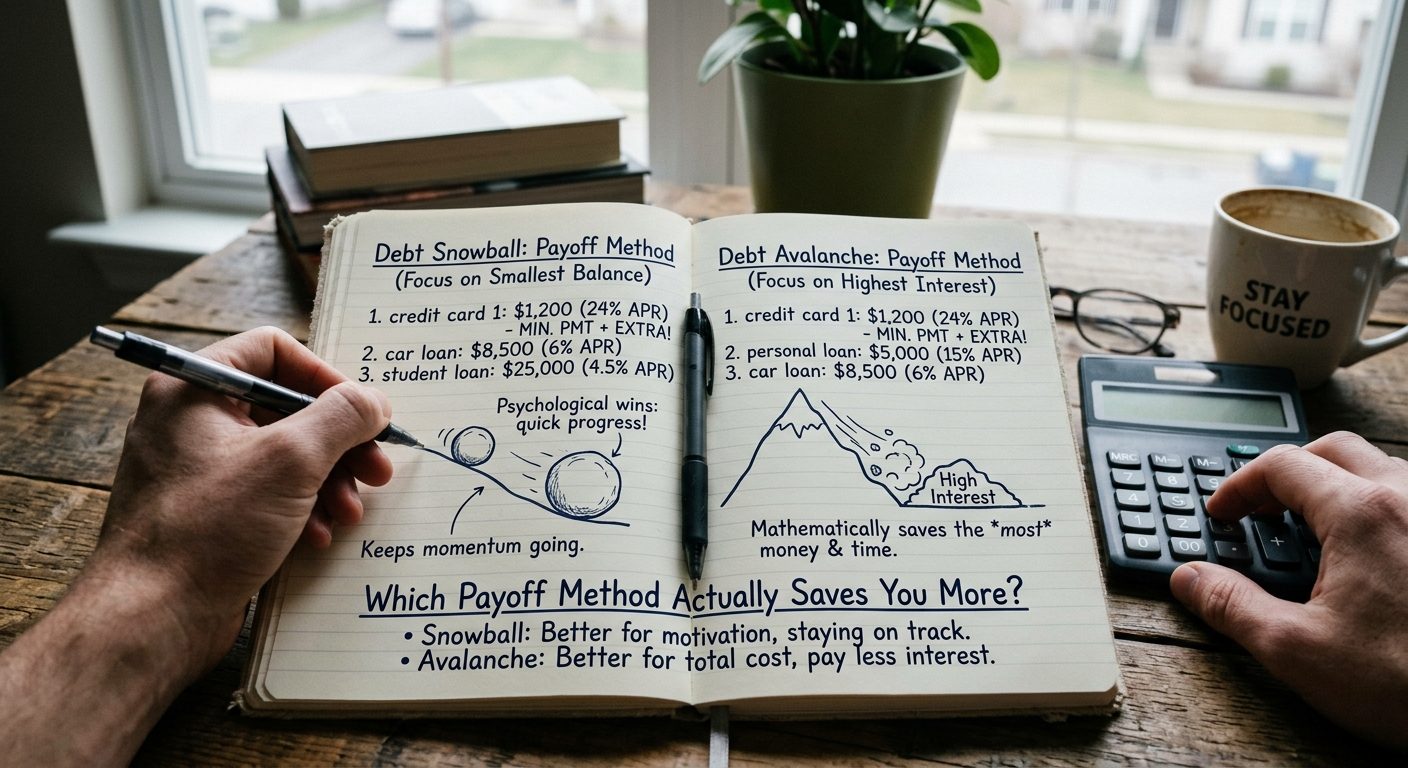
Personal Finance
September 11, 2026
Compare debt snowball vs avalanche methods with real research and numbers to find which payoff strategy actually fits your finances in 2026.
Read Story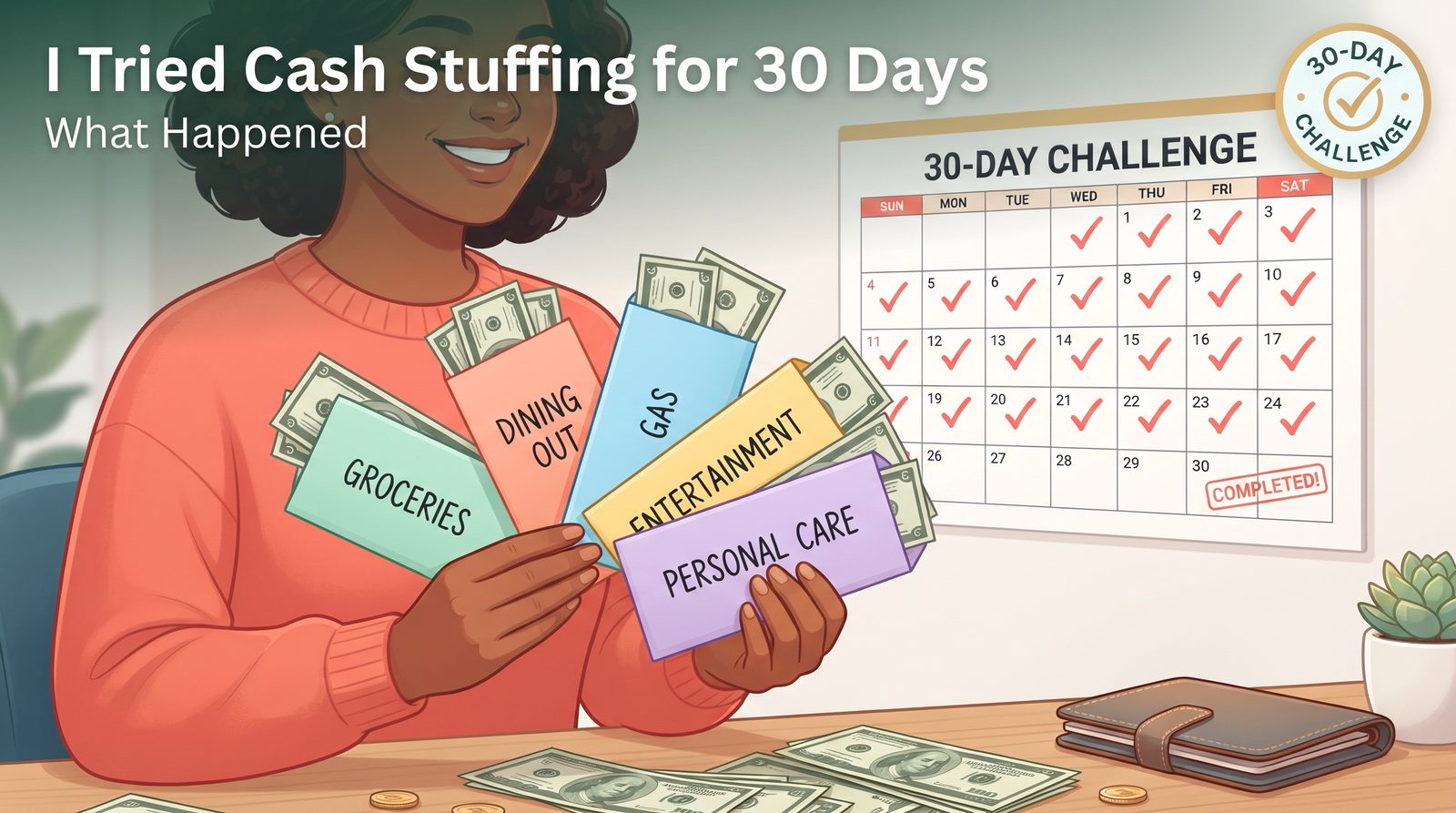
Personal Finance
August 29, 2026
Cash stuffing for 30 days: how envelope budgeting changed a month of spending, where the money was saved, and where the method fell short.
Read StoryThese guides are for general education only and are not financial, legal, or tax advice. If you need advice for your specific situation, speak to a qualified financial professional.