Sinking Funds: How to Save for Irregular Expenses Without Touching Your Emergency Fund in 2026
Luci Shut
What Is a Sinking Fund?
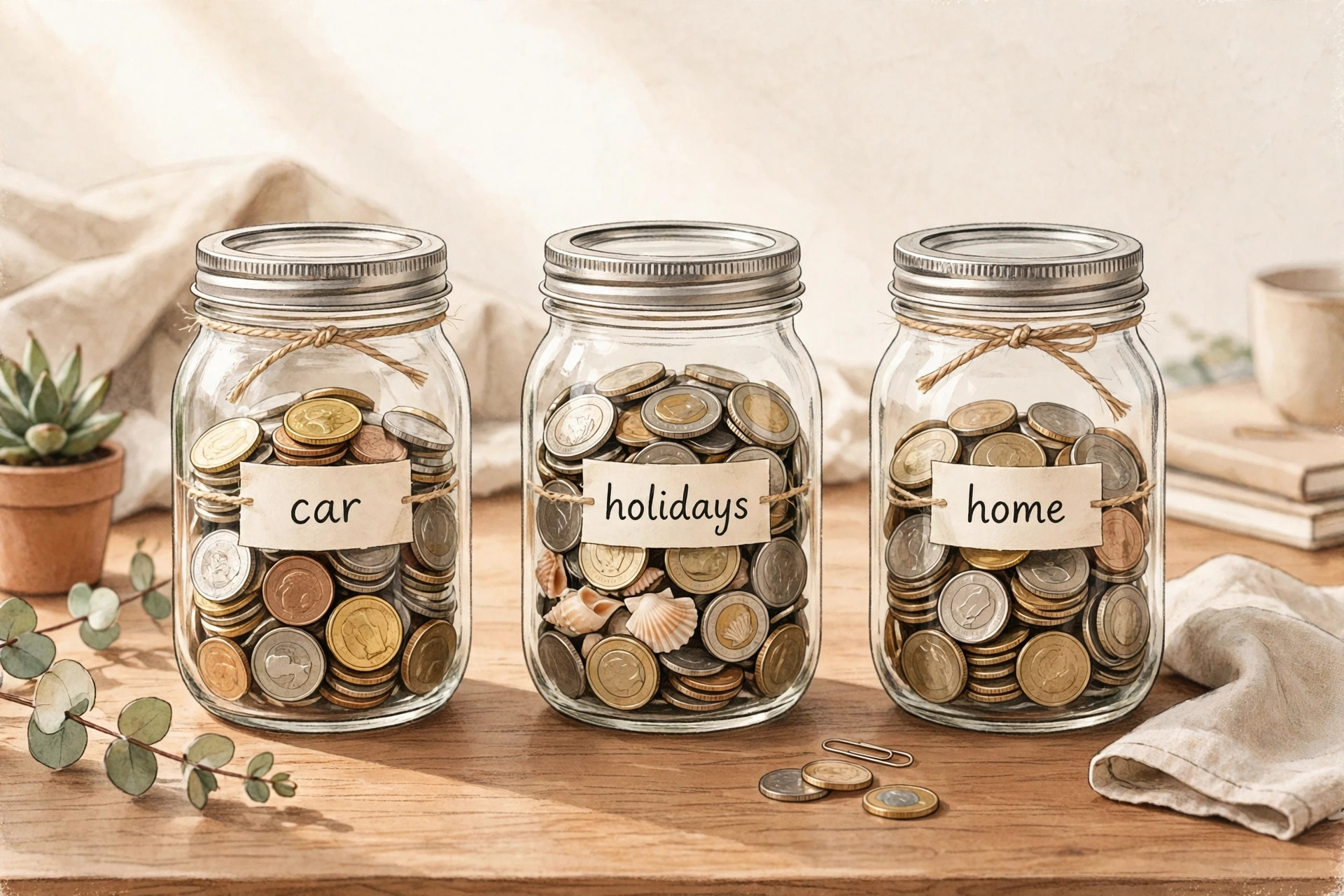
A sinking fund is money you set aside regularly for an expense you know is coming, but do not pay every month. Car insurance, holiday gifts, car registration, annual subscriptions, home repairs, and medical bills are classic examples. They are not surprises. They happen every year, on a fairly predictable schedule — yet they still break budgets, because most monthly budgets only cover monthly bills.
A sinking fund turns a large, irregular expense into a small, regular one. Instead of finding $1,200 for car insurance in one month, you save $100 a month for twelve months. When the bill arrives, the money is already there.
That is the core idea behind sinking funds, and it is why they are one of the most useful budgeting tools for beginners: they remove the surprise from expenses that were never really surprising.
Sinking Fund vs Emergency Fund: What Is the Difference?
This distinction matters, and mixing the two up is one of the most common budgeting mistakes.
- An emergency fund is for the unexpected. Job loss, a sudden medical emergency, or a repair you could not have predicted. Read our guide to building an emergency fund to set that target first.
- A sinking fund is for the expected but irregular. You know car insurance is due, you know holidays come every December, and you know your car will need new tires eventually. You just do not know the exact week, or the exact amount to the dollar.
If you pay a predictable annual bill from your emergency fund, you leave yourself with no cushion for a real emergency. Sinking funds protect your emergency fund by giving predictable costs their own home.
Why Monthly Budgets Fail Without Sinking Funds
A monthly budget looks fine in a quiet month. Then December arrives with gifts and travel. Then January brings car registration. Then an annual subscription renews. Each one feels like a bad month, when in reality it was a normal year, poorly spread out.
Sinking funds fix this in three ways:
- They smooth your spending. A $600 annual bill becomes $50 a month, so no single month looks catastrophic.
- They stop credit-card debt before it starts. A known bill paid from savings does not turn into months of interest.
- They make your budget honest. When you fund irregular expenses monthly, your monthly numbers finally reflect your true annual cost of living.
How to Calculate a Sinking Fund: The Simple Formula
The sinking fund formula is simple:
Total cost ÷ Number of months until you need it = Monthly amount to save
Sinking Fund Examples
| Expense | Total cost | Months to save | Monthly amount |
|---|---|---|---|
| Car insurance (annual) | $1,200 | 12 | $100 |
| Holiday gifts | $900 | 12 | $75 |
| Car registration | $240 | 12 | $20 |
| Annual subscriptions | $360 | 12 | $30 |
| Home repairs (estimated) | $1,200 | 12 | $100 |
For variable costs like car repairs or medical bills, estimate your annual total from last year's spending, add a small buffer of around 10 to 20 percent, then divide by 12. You do not need a perfect prediction. An approximate monthly amount, reviewed once a year, is far better than no plan at all.
Example: if you spent about $1,000 on car repairs last year, saving $96 a month ($1,150 with a buffer, divided by 12) covers most years without a scramble.
How to Start a Sinking Fund in 6 Steps
Step 1: List Your Irregular Expenses
Go through the last 12 months of bank and card statements. Highlight everything that is not a monthly bill: insurance premiums, annual fees, gifts, repairs, school costs, travel, and subscriptions. Most households find six to ten items. That list is the real work — the arithmetic afterwards is easy.
Step 2: Give Each Fund a Target and a Date
Car insurance: $1,200 by June is a plan. Save for the car is a wish. Write down the amount and the month it is due for every fund.
Step 3: Divide by the Months Left
Use the formula above. If a bill is due in six months and costs $600, save $100 a month. If it is due in twelve months, save $50 a month. Starting early makes every fund cheaper per month.
Step 4: Keep the Money Separate
Keep sinking funds in a separate savings account, not in the checking account you spend from every day, where the money will quietly disappear into normal spending. Many banks let you create labelled sub-accounts or buckets inside one savings account — Car, Holidays, Insurance, Home — so each fund stays visible. Check the account current interest rate, fees, and withdrawal rules before you choose, as these change over time.
Step 5: Automate the Transfer
Set up an automatic transfer for the day after payday. Money you never see is money you are less likely to spend. If you are paid biweekly, split the monthly amount across your paychecks: a $100 monthly fund is $50 per paycheck, or about $46 per paycheck across 26 paychecks a year.
Step 6: Spend It Without Guilt, Then Refill It
When the bill arrives, pay it from the fund. That is what the fund is for. Then reset the fund and start saving for next year. A sinking fund that is spent and refilled is working exactly as intended — it is not a failure.
Best Sinking Fund Categories to Start With
You do not need fifteen funds on day one. Start with the two or three categories that cause you the most stress, then add more over time:
- Car maintenance and repairs: oil changes, tires, registration, servicing
- Holidays and gifts: Christmas, birthdays, weddings, travel
- Annual insurance premiums: car, home, renters, or health insurance
- Home repairs and appliance replacement: a roof repair, a washing machine, a broken phone
- Medical, dental, and eye care: check-ups, prescriptions, glasses
- Annual subscriptions and memberships: streaming, software, gym, professional fees
- Vacations and travel: flights, hotels, and spending money
- Pets: vet visits, food, and annual vaccinations
- Clothing and school costs: uniforms, shoes, back-to-school supplies

Where to Keep Your Sinking Funds
A sinking fund needs to be accessible when the bill is due, but separate from everyday spending. In general, a separate savings account or a labelled sub-account works well for most people. A high-yield savings account may earn some interest while the money waits, but rates vary and should be checked at the time you open the account.
Avoid keeping sinking funds in investments whose value can fall, or in a credit card limit, which is borrowed money, not savings. Sinking funds are for planned spending, not for growth or for borrowing.
Sinking Funds and Irregular Income
Sinking funds are especially useful if your income varies. Freelancers, gig workers, and seasonal workers often have good months and slow months, but their annual bills do not change.
A practical approach is to fund sinking funds from your average monthly income, not your best month. In a high month, top up the funds first. In a slow month, the funds you have already built keep the annual bills covered, so a slow month does not become a debt month.
Common Sinking Fund Mistakes to Avoid
- Using your emergency fund for a predictable bill. Give predictable costs their own fund.
- Starting with too many funds. Two or three well-funded categories beat ten empty ones.
- Keeping the money in your spending account. It will be spent before the bill arrives.
- Forgetting to refill a fund after you use it. Refilling is part of the system.
- Waiting for a perfect estimate. Start with last year's total, adjust once a year, and improve over time.
- Treating a sinking fund as extra spending money. If you raid it for a sale or a holiday upgrade, the original bill will still arrive.
Sinking Funds FAQ
How many sinking funds should I have?
Start with two or three, covering your largest irregular expenses. Add more only when the first funds are running smoothly. Most households settle at six to ten over time.
How much should I save in sinking funds each month?
Add up all your annual irregular costs and divide by 12. For many households, that total is a few hundred dollars a month. If that feels high, remember you were already paying those costs — just in painful lumps, often on a credit card.
Can I use one savings account for all my sinking funds?
Yes, if you track each fund separately, either with sub-accounts, a spreadsheet, or a budgeting app. The key is that you know how much is reserved for each purpose, so you do not accidentally spend the car fund on holidays.
What is the difference between a sinking fund and a savings goal?
A savings goal is usually for something you want, like a vacation or a deposit. A sinking fund is for a cost you know you must pay, like insurance or registration. Both use regular saving, but a sinking fund protects your budget from a bill, while a savings goal builds toward a choice.
Should I save for a sinking fund before building an emergency fund?
A common approach is to build a small starter emergency fund first, then start your most important sinking funds, then return to build the full emergency fund. The exact order depends on your situation, but the goal is the same: no predictable bill should wipe out your emergency cushion.
A Simple Sinking Fund Checklist
- I have listed my irregular expenses from the last 12 months
- Each fund has a target amount and a due date
- I have calculated the monthly amount for each fund
- My sinking funds are in a separate, labelled savings account
- Transfers are automatic, on or just after payday
- I will refill each fund after I use it
The Bottom Line
Sinking funds do not require a higher income. They require a different way of seeing costs you already pay. When you spread annual and irregular expenses across the year, December, car insurance, and registration stop feeling like emergencies — because you funded them months ago, a little at a time.
Start with one fund this week: pick the irregular bill that stresses you most, divide it by the months until it is due, and set up that first automatic transfer. Then add a second fund next month. That steady, boring system is exactly what makes a budget hold together all year.
Related: Budgeting Guides
Next step: try our monthly money reset checklist, which turns these irregular-expense pots into a short end-of-month routine.
Disclaimer: This article is for general education only and is not financial, legal, or tax advice. Savings account rates, fees, and withdrawal rules vary by bank and change over time — check the current terms before opening an account. If you need advice for your specific situation, speak to a qualified financial professional.
Related guides
- How to Budget With Irregular Income: A Calm Plan for Paychecks That Change
Learn how to budget with irregular income: base your plan on your lowest month, build a buffer in good months, and pay bills in priority order so a slow month stays calm.
- How to Do a No-Spend Week in 2026: A Simple 7-Day Reset That Actually Feels Doable
How to do a no-spend week: set your own rules, stock the kitchen, plan free activities, and use seven days to notice where your money usually slips away.
- How to Save for Moving Costs in 2026: A Simple Plan That Actually Works
How to save for moving costs and a security deposit: list every cost, get real quotes, add a buffer, and save a fixed amount each payday so the big bills do not land all at once.
Browse more step-by-step guides in the Budgeting hub.